Celebrating Neurodiverse Artists from CIP Programs Across the Country During Autism Acceptance Month
The results are in for the 2026 CIP National Art Exhibit & Contest, and once again our students have amazed us with their creativity, originality, and artistic expression. Each year during Autism Acceptance Month, this special event highlights the incredible work of neurodiverse artists from CIP programs across the country.
More than just a competition, the exhibit serves as a platform for students to share their perspectives, tell their stories through art, and experience what it’s like to have their work displayed in a professional gallery environment. Hosted at the Good Purpose Gallery in Lee, Massachusetts, the exhibit brings together students, staff, families, and members of the local community in celebration of creativity and connection.
In this article, you’ll find:
- The three winning pieces of the 2026 CIP National Art Exhibit & Contest
- How the juried contest works, and who judged this year’s entries
- The story behind the Good Purpose Gallery in Lee, Massachusetts
- Why art matters for young adults with autism, ADHD, and learning differences
- How creative arts fit into everyday life at CIP
Meet the 2026 Winners
This year’s collection featured an inspiring range of mediums, styles, and personal expression, reflecting the individuality and talent of every participating artist.
And now, we’re excited to officially announce the winners of the 2026 CIP National Art Exhibit & Contest!
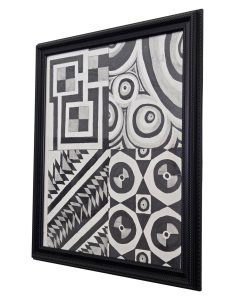
First Place: “The Grid of Diversity” by Dash F. (Berkshire Center)
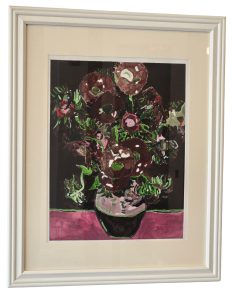
Second Place: “A Flower’s Flourishing Phase” by Nick G. (Long Beach Center)
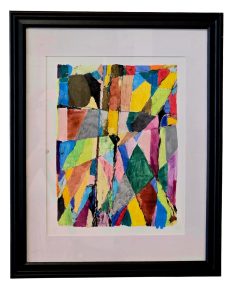
Third Place: “Color Block” by Kim B. (Berkshire Center)
We are incredibly proud of all the students who submitted artwork and grateful to everyone who helped make this year’s exhibit such a meaningful experience. Congratulations to every artist whose work was selected for display at the Good Purpose Gallery. Your creativity continues to inspire our entire community, and we look forward to growing this tradition for years to come.
Inside the CIP National Art Exhibit & Contest
How the Contest Works
The National Art Exhibit & Contest is open to students from all five CIP centers: Berkshire (Massachusetts), Brevard (Florida), Bloomington (Indiana), Berkeley (California), and Long Beach (California). Selected pieces are displayed in a juried exhibit at the Good Purpose Gallery each spring, timed with Autism Acceptance Month in April.
A panel of three judges selects first, second, and third place, looking at each artist’s effort, style, and vision or originality. For many students, it is the first time their work has been reviewed by professionals and shown to the public, an experience that builds real confidence.
Meet the 2026 Judges
A special thank you goes out to our 2026 judges Dr. Michael McManmon, CIP Founder and Artist; Jodi Drury, CIP National Director of Curriculum & Training; and Professional Artist Thea Knapp Baker—for generously lending their time, insight, and expertise to this year’s contest.
- Dr. Michael McManmon founded CIP in 1984. A licensed psychologist and educator who was diagnosed with Asperger’s in his 50s, he is also a working artist and the founder of the Good Purpose Gallery.
- Jodi Drury leads curriculum and training across all CIP centers as National Director of Curriculum & Training.
- Thea Knapp Baker is a professional artist whose work has been shown at the Good Purpose Gallery.
Together, the panel brings perspectives from psychology, education, and professional art, giving students recognition from people who understand both their artwork and their journey.
About the Good Purpose Gallery
Founded by Dr. McManmon in 2011, the Good Purpose Gallery in downtown Lee, Massachusetts, features the work of professional artists who support the mission of the not-for-profit Student Educational Development Fund. Each spring, its walls are given over to CIP’s student artists, placing their work in the same professional setting as established artists from the community.
The gallery takes its name from a belief that runs through everything CIP does:
“You were made for good purpose and inherently valuable.”
— Dr. Michael McManmon, CIP Founder
Why Art Matters for Young Adults with Autism and Learning Differences
A Different Way to Share a Perspective
For many young adults with autism, ADHD, and learning differences, art offers a way to express ideas and feelings that can be hard to put into words. A painting, drawing, or mixed-media piece can tell a story, show how someone sees the world, or simply celebrate what they love. That’s why CIP takes an abilities-based approach: we start with each student’s strengths and interests, and for many students, art is one of them.
Many autistic people describe themselves as strong visual thinkers. Temple Grandin, one of the best-known autistic voices, famously wrote about “thinking in pictures.” For students who process the world visually, art can be a natural fit, and the details, patterns, and colors they notice often become the signature of their work.
What Research Says About the Arts and Well-Being
A World Health Organization review of more than 3,000 studies found that the arts play an important role in promoting good health and well-being, including supporting mental health and social connection. Creating art can lower stress, build a sense of accomplishment, and give people a shared interest to connect over.
Confidence That Comes from a Professional Exhibit
Seeing your work framed and hung in a gallery, and watching family, friends, and strangers stop to look at it, sends a powerful message: your voice matters. Taking part in a juried show also gives students a taste of professional life, from meeting a deadline and preparing work for display to talking with visitors about their pieces. Those experiences build skills and self-advocacy that carry into college, internships, and work.
And the benefits aren’t limited to the winners. Every student whose work is selected for display gets the same experience of seeing their art on a gallery wall, and every student who submits a piece practices finishing a project and sharing it with others.
Why the Exhibit Happens During Autism Acceptance Month
April is Autism Acceptance Month, a time to move beyond awareness and celebrate autistic people for who they are. Holding the exhibit in April puts that idea into practice: instead of talking about neurodiverse young adults, it gives them the gallery walls and lets their work speak for itself.
From Creative Interest to Career Pathway
For some students, art is a lifelong source of joy and calm. For others, it becomes the start of a career. Creative skills connect to many kinds of work, including graphic design, illustration, photography, animation, art handling, and roles at galleries, museums, and theaters. Through CIP’s career preparation curriculum, students can explore these interests, build a portfolio, and look for internships that match their strengths, while those on an academic track can take art and design courses at local colleges.
Creative Arts at CIP
The National Art Exhibit is one highlight of CIP’s Creative Arts program, which offers optional opportunities in visual arts, creative writing, drama, puppetry, filmmaking, and more. Students also contribute to projects like Yearbook Class and the Reframe Art Calendar, and student artwork is showcased on gallery walls at CIP centers.
Creativity shows up on stage too, like CIP Berkshire’s recent production of Into the Woods, and in real-world experiences such as arts internships at Barrington Stage Company.
Tips for Families: Supporting a Young Adult Artist
- Ask about the process, not just the result. Questions like “What inspired this piece?” or “What was the hardest part?” show genuine interest and open up conversation.
- Make space to create. A small corner with good lighting and basic supplies can make it easier to keep creating at home and during breaks.
- Display their work. Framing a piece or hanging it in a shared space tells your young adult their art is valued.
- Look for local opportunities. Community art classes, open studios, and local exhibits are great ways to keep growing and meet others who share the same interest.
Frequently Asked Questions
Who can enter the CIP National Art Exhibit & Contest?
The contest is open to students enrolled at all five CIP centers across the country. Students can submit work in a range of mediums and styles, and selected pieces are displayed at the Good Purpose Gallery in Lee, Massachusetts.
When does the exhibit take place?
The exhibit opens each spring and is held during Autism Acceptance Month in April, celebrating the creativity of neurodiverse artists from across CIP.
Does CIP offer art classes and creative activities?
Yes. All CIP locations offer creative arts classes and activities, including visual arts, creative writing, drama, and more. These activities are optional and designed to build confidence, creativity, and connection with peers and the community.
Discover Where Your Young Adult’s Strengths Can Lead
Since 1984, CIP has helped young adults with autism, ADHD, and learning differences build the skills for college, careers, and independent living, while making room for the interests that make them who they are. Explore our five locations or connect with our admissions team.