
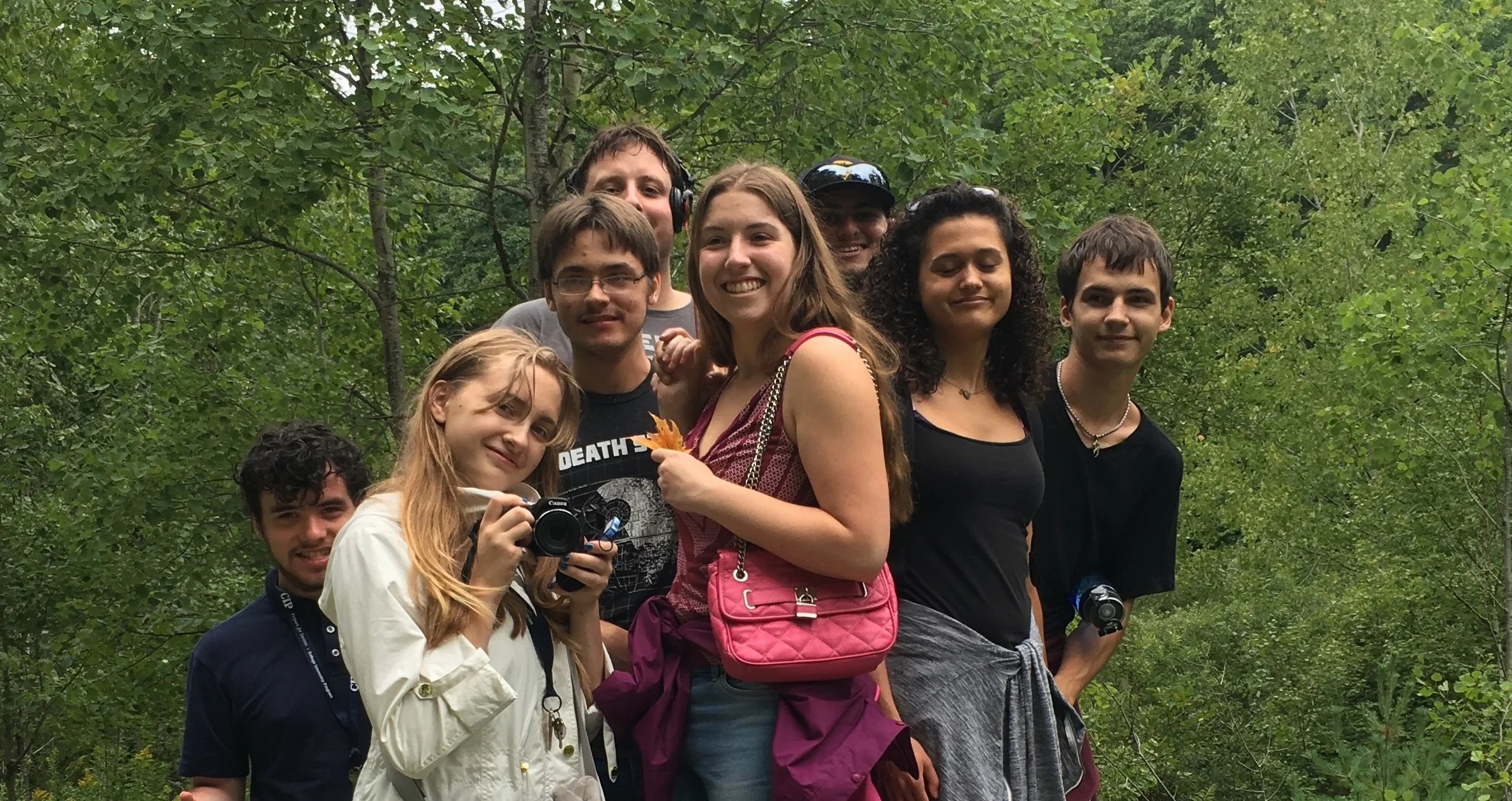
For many young adults with autism and learning differences, social interaction does not come naturally. Things that others take for granted, such as making eye contact, reading subtle cues, navigating group dynamics, or handling new environments, can feel overwhelming, confusing, or even distressing. At CIP, we understand that social growth does not happen in isolation. It develops through real-world experience, guided practice, and meaningful relationships.
Recreational and community-based activities are not optional add-ons. They are a core part of how students build confidence, connection, and independence. Students are expected to participate in structured social experiences each week because these moments create opportunities to step outside of comfort zones in a supported and intentional way. What makes these experiences impactful is not just participation, but how they are guided.
Every interaction in the community offers a chance to build critical life skills. Whether a student is attending an event, navigating a store, or engaging with peers, staff help prepare them in advance, support them in the moment, and reflect afterward to reinforce learning. Pre-teaching helps reduce anxiety by setting clear expectations. Role-playing allows students to practice interactions before they happen. Real-time coaching helps students adjust and succeed in the moment. Reflection afterward helps them understand what worked and what they can do differently next time.
Social success also depends on self-awareness and presentation. Self-care, grooming, and understanding context play a significant role in how individuals are perceived and how comfortable they feel in social situations. Students learn that expectations vary depending on the setting and that appropriate dress, hygiene, and behavior can influence how interactions unfold. These lessons are taught in real environments where they matter, not in theory.
Each student experiences social situations differently, so support must be individualized. Some students may feel overwhelmed by crowds, while others may struggle to identify the source of their discomfort. Through observation and relationship-building, staff help students understand their own experiences and develop practical strategies. This might include adjusting timing to avoid crowds, creating simple scripts for common interactions, or identifying sensory triggers. Over time, students begin to build the awareness and tools needed to navigate situations more independently.
Real-world context is essential because it reveals both strengths and challenges that may not appear in more controlled environments. A behavior that feels typical in a familiar setting may stand out in the broader community. These moments are not setbacks but opportunities for growth when supported appropriately. Staff use these experiences to guide students in developing greater awareness and more effective social behaviors.
This work depends on strong, trusting relationships. Students are more likely to accept feedback and guidance when it comes from someone they feel comfortable with and respect. At CIP, staff serve as mentors and consistent supports across many aspects of a student’s life. This continuity allows for deeper understanding and more meaningful progress over time.
The goal is not perfection but progress and independence. By combining structured support with real-world experience, students develop the skills and confidence needed to engage more fully in their communities. They learn how to adapt, advocate for themselves, and navigate social situations with greater ease. Over time, they are able to participate in experiences that may have once felt out of reach and build lives that are not limited by their challenges.